

- Top Attractions
- See & Do
- Eat & Drink
- Hotels
- Apartments
- Vacation Rentals
- Bed & Breakfasts
- Villas
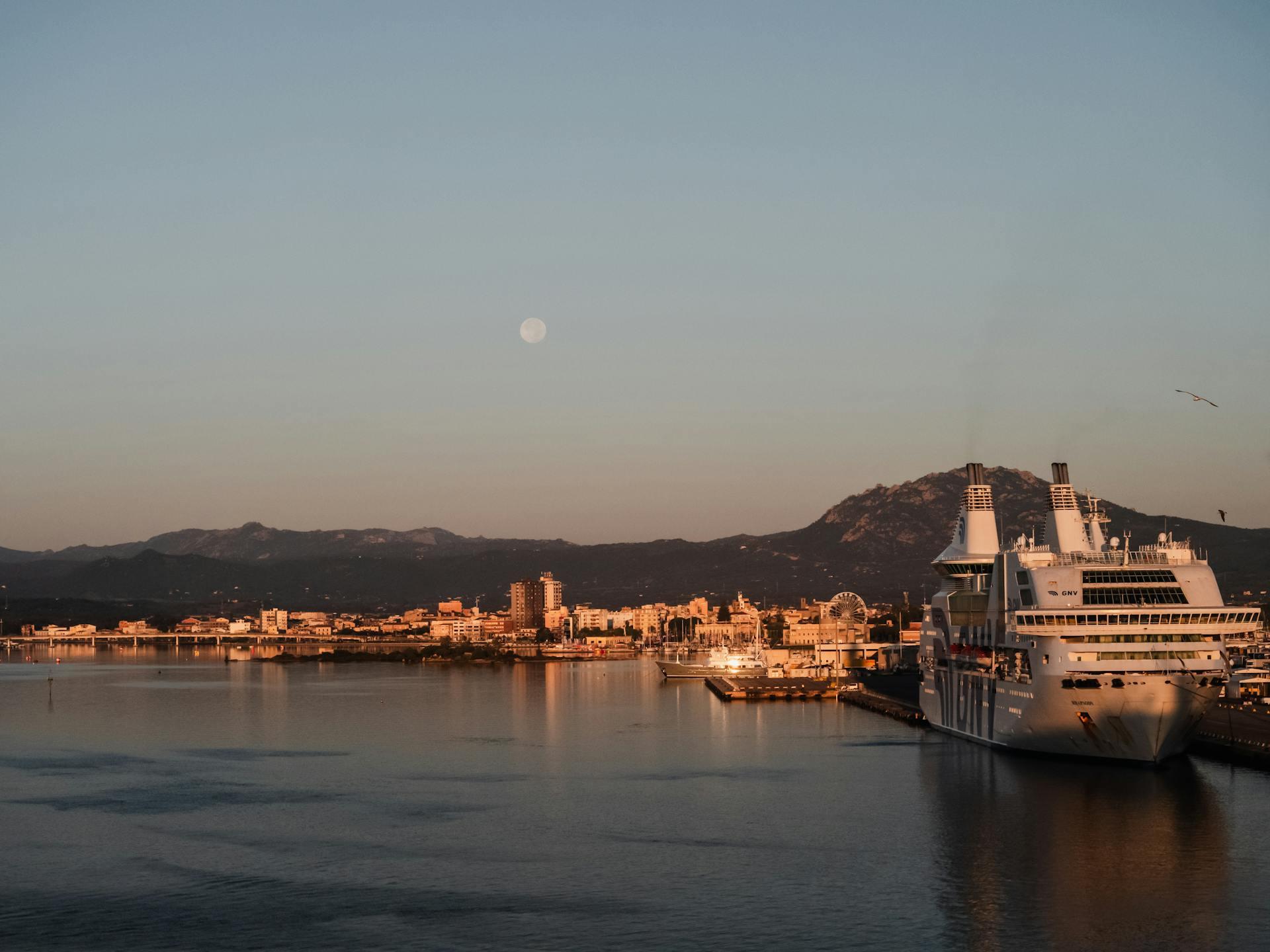
Why Visit Olbia
Olbia's story begins with the Greeks, who named it 'happy city'. Romans later built key infrastructure like the Aqueduct. The Basilica di San Simplicio, built entirely of local granite, is a prime example of Sardinian Romanesque style. Its historic center's narrow granite-paved streets reveal Punic wall remnants, showing how ancient civilizations directly shaped the city's core layout and identity.
Beyond the city, the famed Costa Smeralda offers white sand beaches like Pittulongu. The Tavolara Marine Protected Area invites divers to explore underwater cliffs dropping to 40 meters. For a change of scenery when visiting Olbia, hike the granite trails of Mount Nieddu. A lesser-known gem is the Rio Padrongianus delta, a sanctuary for pink flamingos and a perfect spot for quiet birdwatching.
Olbia's cuisine is defined by the sea. Mussels, or 'cozze di Olbia,' farmed in the gulf, are a local delicacy. Another staple is Zuppa Gallurese, a savory baked dish of bread, cheese, and broth. Pair these with Vermentino di Gallura DOCG, a crisp white wine. Don't overlook 'pane carasau' with local olive oil, a tradition rooted in the island's pastoral history.
- OlbiaItaly
- OlbiaItaly
- OlbiaItaly
- OlbiaItaly
Quick Travel Essentials
- Apr-Jun & Sep-Octmild, fewer tourists
- Jul-Aughot, crowded
- Wintercool, occasional rain
- #ComfortableShoes
- #Sunscreen
- #Swimwear
- #LightJacket
- #PowerAdapterTypeC
- 3-4 days for highlights
- 5-7 days with beaches & day trips
- Euro (€)
- Italian
- Limited English in rural areas
- #PortoRotondo
- #CostaSmeralda
- #OlbiaCathedral
- #ArchipelagoDiLaMadallena
- #BasilicaDiSanSimone
- #PeveroGolfClub
- Relax at Porto Istana beach
- Try Fregola with clams
- Explore the La Cinta beach
- Visit the archaeological site of Nuraghe
- Stroll through Olbia's historic center
Recommended Hotels in Olbia by Experience
Things to do in Olbia
Discover
Curious about what to see in Olbia? Discover ancient Romanesque churches like the Basilica di San Simplicio, delve into history at the Archaeological Museum, or stroll the vibrant Corso Umberto I, the city's main shopping street.
Experience
Take a boat tour to the Maddalena Archipelago, sample local Vermentino wine, and browse the Mercato di San Benedetto for fresh produce. In summer, enjoy festivals like the Festa di San Simplicio with its traditional procession and events.
Basilica di San Simplicio
Romanesque church, Olbia's most important religious site.
Museo Archeologico di Olbia
Museum showcasing local history from prehistoric to Roman times.
Corso Umberto I
Main street for shopping, dining, and evening strolls.
Pozzo Sacro Sa Testa
Nuragic holy well, an ancient water cult sanctuary.
Spiaggia Pittulongu
Popular sandy beach with clear waters, close to the city.
Parco Fausto Noce
Large urban park with sports facilities and walking paths.
Castello di Pedres
Medieval castle ruins with views of the surrounding area.
Before You Arrive
Getting There
Fly into Olbia Costa Smeralda Airport (OLB). To get from the Olbia airport to city center, take bus 2 or 10 (15 min). Ferries arrive at the main port. To get a train to Olbia, the Stazione Ferroviaria connects to Cagliari and Sassari.
Getting Around
Olbia's center is walkable. For wider travel, use ASPO buses, the main public transport in Olbia; buy tickets at newsstands. A car rental in Olbia is essential for exploring Costa Smeralda's beaches. Taxis are also available from key points.
Local Essentials
When driving in Olbia, watch for ZTL zones (limited traffic) in the historic center. Parking is scarce in summer. Many shops close mid-day for a 'riposo'. When you plan a trip to Olbia, book car rentals and ferries in advance for peak season.
Where to Stay in Olbia
Where to Eat and Drink
Celebrate
Explore Olbia's cuisine and taste local specialties like fregola with clams and seadas honey pastries. Sardinians embrace the aperitivo, a pre-dinner ritual with drinks and light snacks, perfect for starting an evening meal.
Enjoy
For the best restaurants in Olbia, eat at Il Mattacchione for its creative seafood. Reserve ahead. Try Spirits Boutique for inventive cocktails. Arrive early. Or grab an espresso at Caffetteria Pasticceria Tiramisù. Expect queues.
Dolceacqua
Fusion of Ligurian and Sardinian cuisine in an elegant space.
Il Mattacchione
Creative and refined seafood dishes with a modern presentation.
Agriturismo Agrisole
Authentic farm-to-table Sardinian experience.
Trattoria "Il Gambero"
A classic city-center trattoria known for traditional seafood.
Ristorante Barbagia Pizzeria
Specializes in traditional cuisine from Sardinia's interior.
Events & Festivals
Celebrate
Explore Olbia's heritage through events like Festa di San Simplicio, honoring its patron saint with a solemn procession, folk groups, and an equestrian tournament, the Palio della Stella, connecting to the city's deep-rooted history.
Enjoy
Discover Olbia's modern pulse at the Red Valley Festival, an August must-see event with major pop, rap, and electronic artists. This is one of the best things to do in Olbia for contemporary music fans.
Festa di San Simplicio
City's most important religious festival in May.
Sagra delle Cozze
A must-see food festival dedicated to mussels, held in May.
Red Valley Festival
Major crossover music festival held over four days in August.
Carrasciali Timpiesu
Nearby Tempio Pausania's historic carnival before Lent.
Palio della Stella
Traditional equestrian tournament held during San Simplicio.
Lovely Walkable City
Olbia has a really pleasant and walkable old town center. It's got a nice port feel without being too overwhelming. Strolling down Corso Umberto I in the evening was perfect, with lots of small shops and great places for a drink.
Great Base for Beaches
The city is a great base for exploring the coast. Even in early spring, the beaches were stunning. We took a short bus ride to Pittulongu Beach and the white sand and clear water were just beautiful. A really easy way to access nature.
More Than Just a Port
Olbia is more than just a gateway to the Costa Smeralda. The history here is quite interesting. The Basilica di San Simplicio is a simple but powerful Romanesque church. The city feels lived-in and real, not just for tourists.
Relaxing and Delicious
A very relaxing trip. The pace is slower here, especially in the off-season. Local food is a highlight; we had excellent seafood paired with a Vermentino di Gallura wine. Everything was so simple and delicious.
Enjoyed the Local Feel
I really enjoyed the main shopping streets and the little alleyways. There are plenty of cute cafes and local shops to browse through. The people were friendly. We tried a Seadas dessert for the first time; a real local treat.
Authentic Sardinian Start
It's a functional port city, which gives it an authentic character. It's easy to get around on foot, and the waterfront is nice for a walk. Had a fantastic meal with Fregola pasta and clams. It's a solid place to begin a Sardinian trip.